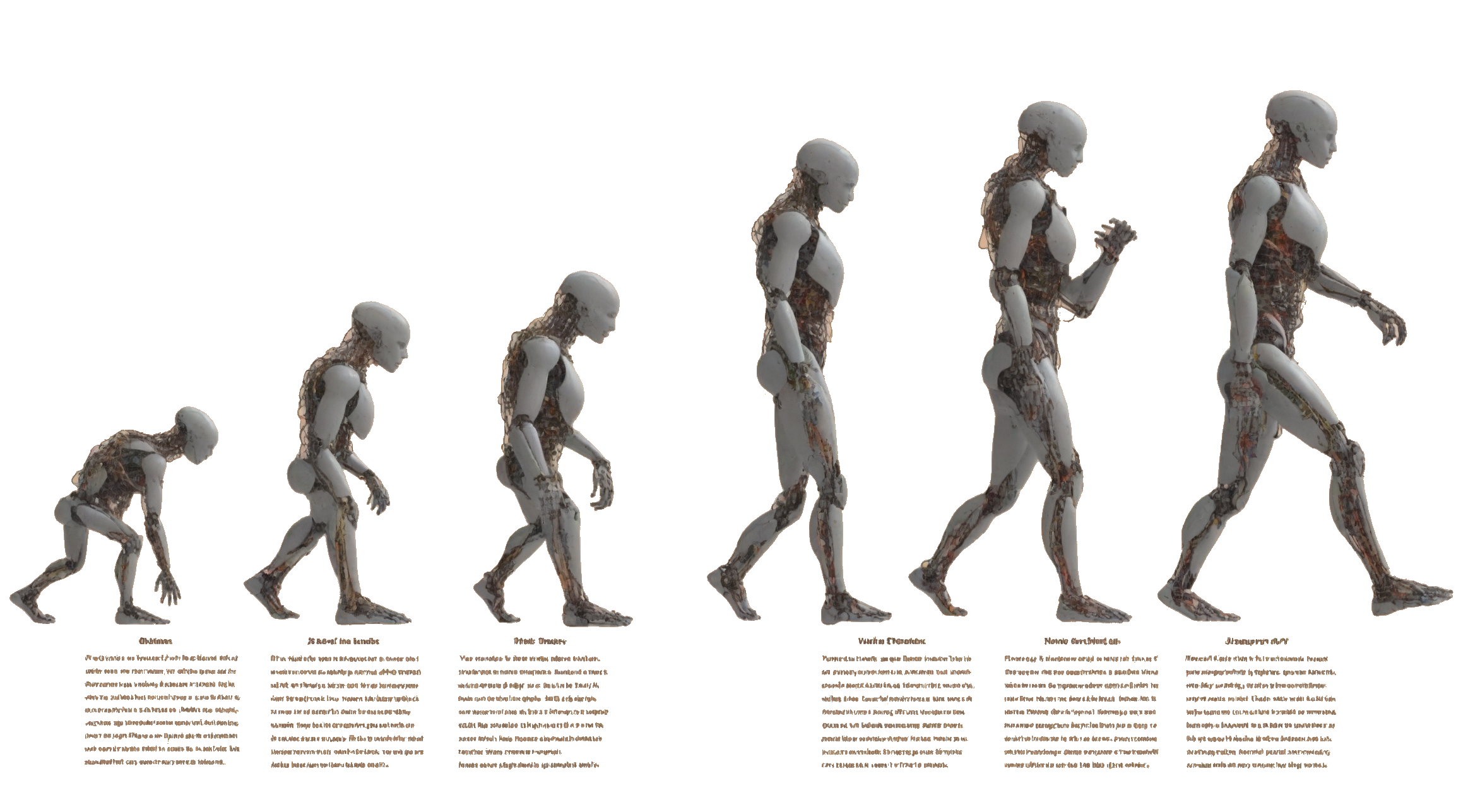
Evolving Agent System
Introduction
Imagine a system that evolves on its own, continuously improving its performance without human intervention. This concept might sound futuristic, but it’s becoming increasingly feasible with the right combination of autonomous agents and workflow. In this post, we’ll explore how to build a self-evolving AI agent system that balances automation with optional human guidance.
The Core Concept
The goal is to create a system where AI agents perform tasks, evaluate their own performance, and implement improvements.
The Key Components
Service Subsystem:
Service Agents: These are the core of the system, performing the tasks that the application is designed to offer. They are coordinated through orchestration code, which handles data flow and execution.
Orchestration Code: The central hub that connects service agents, handles data, RAGs and triggers actions as needed.
Development Subsystem:
Testing Agents: These agents test the service system, logging their interactions for further analysis.
Evaluation Agent(s): They analyze the logged interactions, producing evaluation reports on issues, and potential improvements. They also compare the current version’s results with previous version to track progress.
Improvement Agent(s): These agents strategically decide on modifications based on evaluation reports, choosing the best version as the foundation for the next iteration. They maintain a version tree, tracking successful and unsuccessful evolutionary paths.
Coding Agents: Once an improvement is selected, coding agents implement the necessary changes to service agents and orchestration code.
The Versioning Process
The Improvement Agent works iteratively to improve the Service Subsystem. Every iteration produces a new version. The Evaluation Agent will compare the previous version’s test logs with the current version’s test logs to determine if there has been an improvement. The Improvement agent then selects which version to use as a basis for the next iteration. This process leads to the formation of a version tree structure.
This evolutionary algorithm controlling the development subsystem ensures that changes are progressive rather than degenerative. By creating a tree structure, the system can experiment with new strategies without losing stable, proven versions and roll back when required. This mirrors natural evolution, where multiple paths can be explored without risking system breakdown.
Allowing for Human Intervention
While automation is key, human input remains valuable. Human intervention should not block the system from making progress and at the same time it should allow humans to control past decisions. Here versioning comes into play a second time. By marking versions as ‘good’ or ‘bad’, humans can influence which paths are prioritized and which are discarded.
Final Thoughts
By combining autonomous agents with evolutionary principles and human oversight, we can build systems that not only improve themselves but do so safely and efficiently. There are a lot of potential improvements to this system such as meta-improvement-agents that modify the development process or live system monitoring agents that produce non-functional requirements.